The Historical Journey of Bangladesh
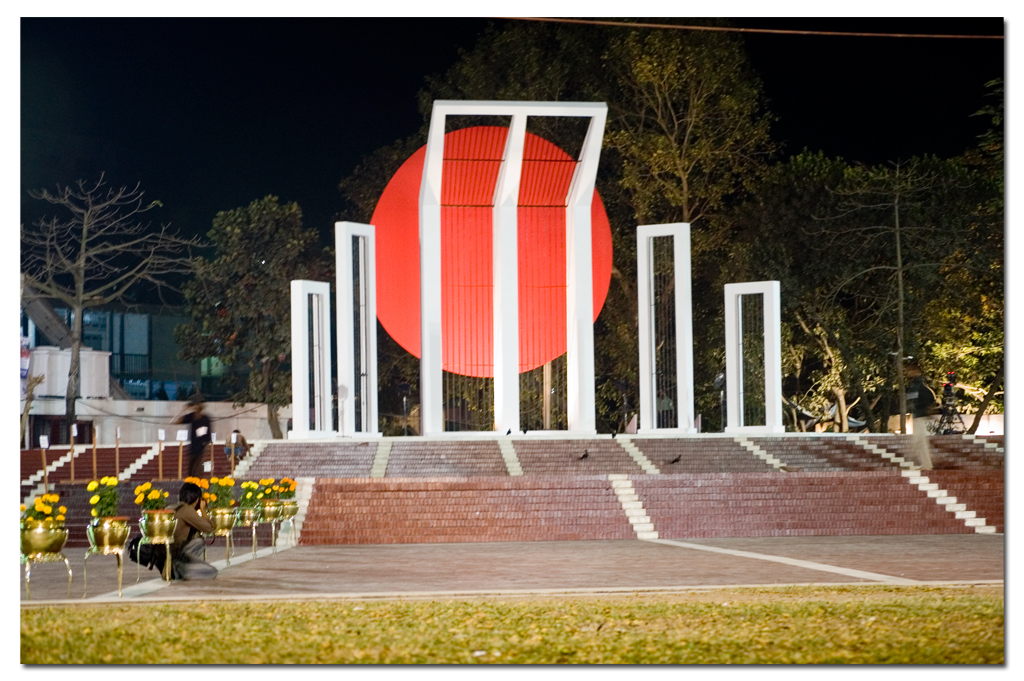
Bangladesh's people's bravery and selflessness have shaped the country's rich and complicated history. The Language Movement of 1952, when students demonstrated to keep Bangla as the official state language, was one of the first pivotal events. Every year on February 21, International Mother Language Day is observed to honor those who laid the groundwork for the country's cultural and linguistic identity. Several young lives were lost during these protests.
The Liberation War against Pakistan, which lasted nine months in 1971, was the most important chapter. Millions of Bangladeshis gave their lives to secure independence under the leadership of Bangabandhu Sheikh Mujibur Rahman, making Bangladesh a sovereign nation. Decades later, in 2024, the country saw a significant student-led movement calling for political reform, including the resignation of Prime Minister Hasina. Tragic incidents like Abu Sayed's murder brought attention to the dangers faced by young activists fighting for justice and democracy in the face of opposition to these demonstrations. Bangladesh's enduring spirit and its citizens' unwavering determination to shape the country's destiny are reflected in the bravery and resilience shown throughout these historical moments, from language protests to the fight for freedom and current political struggles.
National Anthem of Bangladesh
Ekushey February(21 February)